|
||||||||||||||||||||||||||||
|
||||||||||||||||||||||||||||
|
||||||||||||||||||||||||||||
|
Category: Blog
Bollywood Bhangra Blog
-
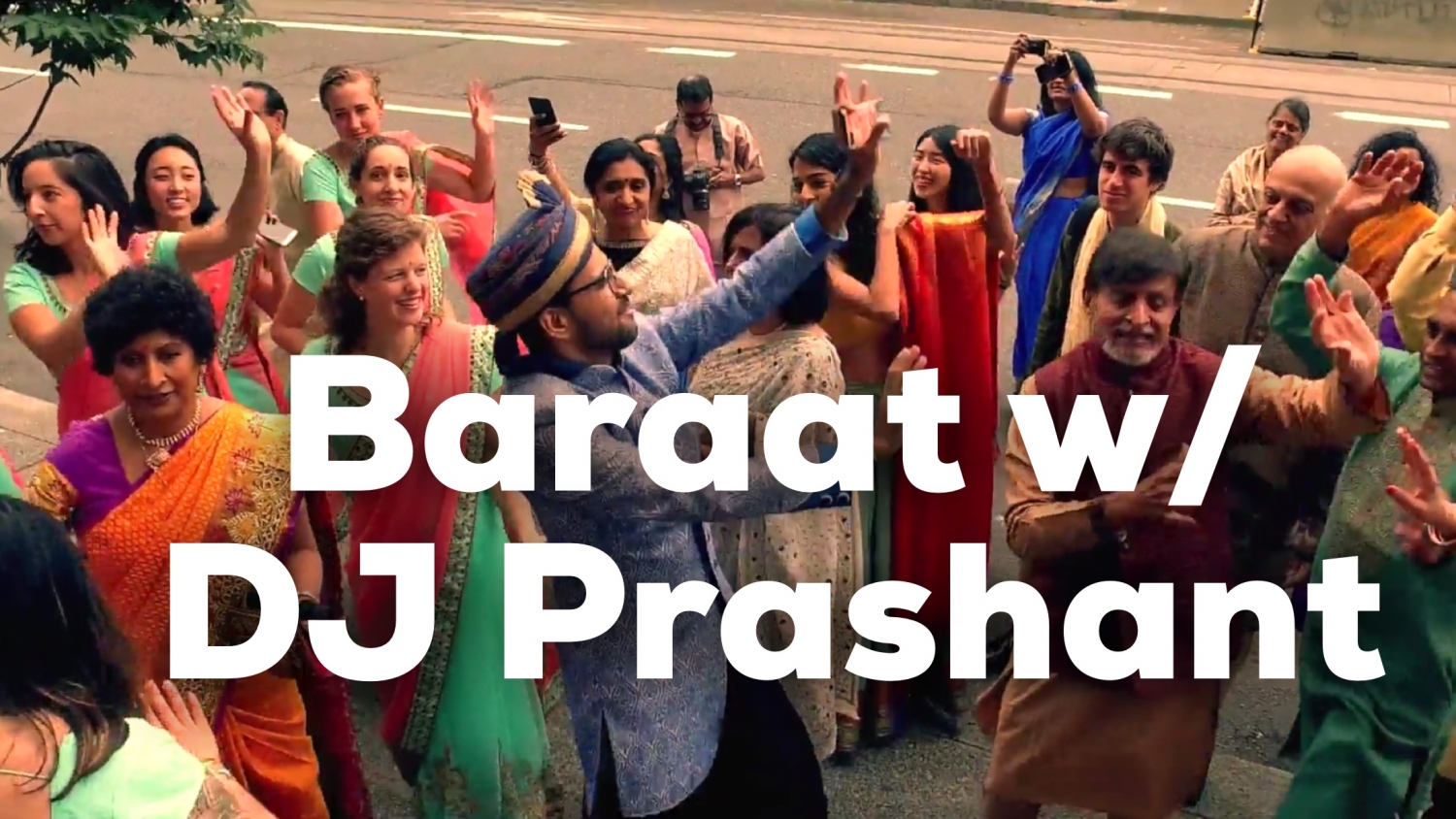
Baraat w/ Indian Wedding DJ Prashant
[fusion_builder_container hundred_percent=”no” equal_height_columns=”no” menu_anchor=”” hide_on_mobile=”small-visibility,medium-visibility,large-visibility” class=”” id=”” background_color=”” background_image=”” background_position=”center center” background_repeat=”no-repeat” fade=”no” background_parallax=”none” parallax_speed=”0.3″ video_mp4=”” video_webm=”” video_ogv=”” video_url=”” video_aspect_ratio=”16:9″ video_loop=”yes” video_mute=”yes” overlay_color=”” video_preview_image=”” border_size=”” border_color=”” border_style=”solid” padding_top=”” padding_bottom=”” padding_left=”” padding_right=””][fusion_builder_row][fusion_builder_column type=”1_1″ layout=”1_1″ background_position=”left top” background_color=”” border_size=”” border_color=”” border_style=”solid” border_position=”all” spacing=”yes” background_image=”” background_repeat=”no-repeat” padding_top=”” padding_right=”” padding_bottom=”” padding_left=”” margin_top=”0px” margin_bottom=”0px” class=”” id=”” animation_type=”” animation_speed=”0.3″ animation_direction=”left” hide_on_mobile=”small-visibility,medium-visibility,large-visibility” center_content=”no” last=”no” min_height=”” hover_type=”none” link=””][fusion_text columns=”” column_min_width=”” column_spacing=”” rule_style=”default” rule_size=”” rule_color=”” hide_on_mobile=”small-visibility,medium-visibility,large-visibility” class=”” id=”” animation_type=”” animation_direction=”left” animation_speed=”0.3″ animation_offset=””]
Indian Wedding DJ Street Procession
Indian Wedding DJ Prashant takes a wedding party to the streets of Downtown Portland – Bollywood style!
Check out this video from one of our unique and memorable weddings! Prashant not only performed at the couple’s reception, but led the Baraat – a traditional Indian procession – dancing through the streets of Downtown Portland!
[/fusion_text][fusion_youtube id=”https://www.youtube.com/watch?v=WPdKXCM4flw” alignment=”left” width=”600″ height=”” autoplay=”false” api_params=”” hide_on_mobile=”small-visibility,large-visibility” class=”” css_id=”” /][fusion_text]
Prashant reflected on the experience, “Bringing live music to the streets – which were blocked off for us! – reminded me of one of my favorite parts of being in India: the spontaneous dancing and celebrations that happen at a moment’s notice. It made me feel like I was a child again. Seeing people from all over the world come together for this wedding in vibrant and colorful Indian attire was a truly magical experience.”
If you are in need of entertainment for your Indian Wedding DJ Prashant is your best bet! We specialize in weddings with Bollywood & Bhangra flair, but can make any event you dream up come true!
Music: Kawa Kawa DJ Rink Remix – Bollygram 10th Edition
༺༻OUR VISION
We believe music and dance transcend societal norms. We aspire to create beautiful, inclusive, and engaging high-energy events that bring people together, celebrating the best of life through shared connection.
ABOUT PRASHANT
An Indian-born first-generation immigrant, Prashant’s unique perspective as an Ivy League graduate and ex-Intel engineer turned DJ transforming American nightlife has inspired many South Asians who seek to pursue a life beyond their tech jobs.
Let DJ Prashant engineer your perfect event!
[/fusion_text][/fusion_builder_column][/fusion_builder_row][/fusion_builder_container]
-
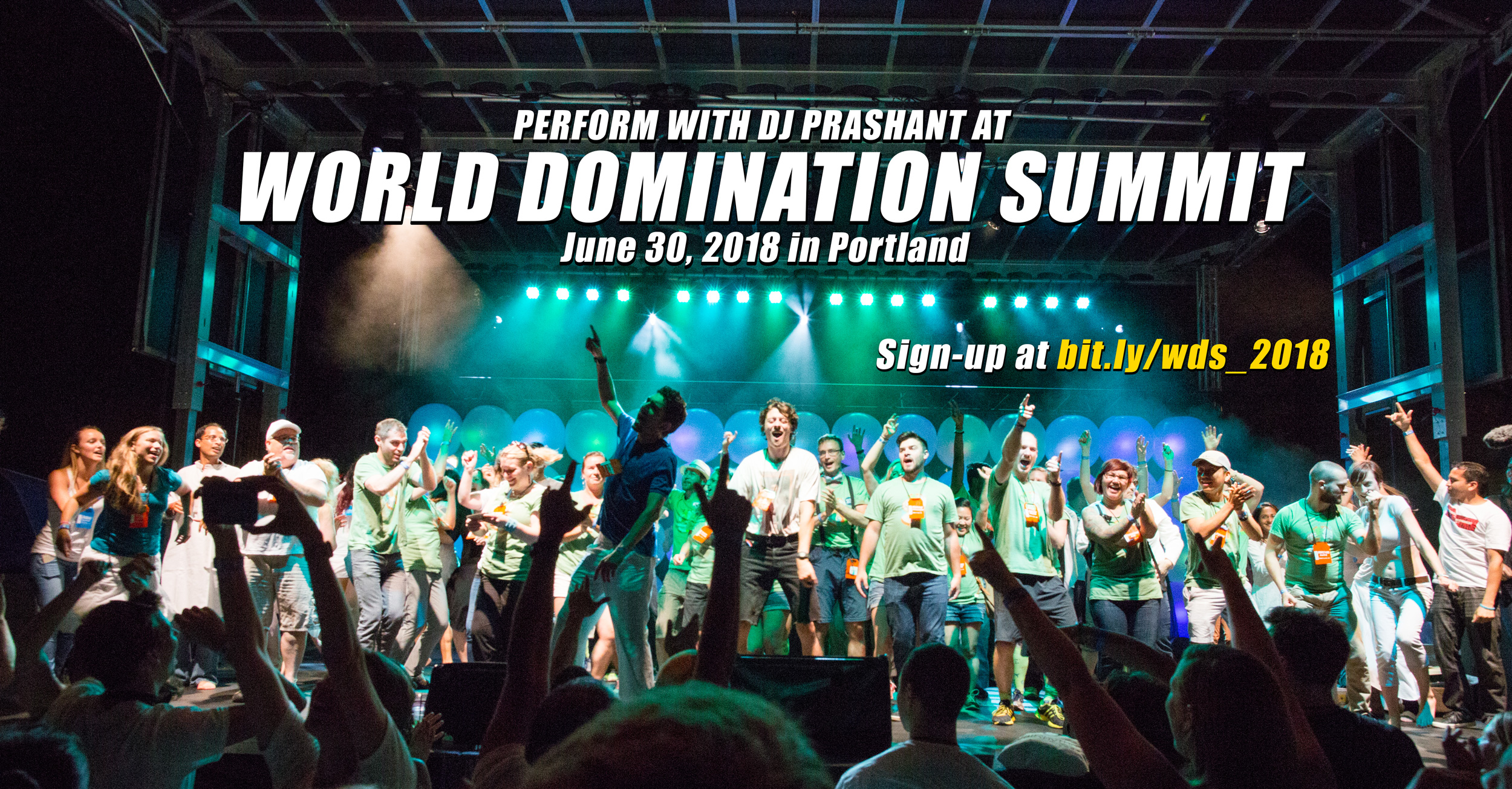
World Domination Summit 2018 – Dance With Us!
Always wanted to be part of a Bollywood style performance on the big stage? Here’s your chance!
DJ Prashant has been invited back to the amazing World Domination Summit (WDS) here in Portland, OR, this time as their opening Keynote speaker. His talk is scheduled for 9 am on Saturday, June 30, 2018 at the beautiful Newmark Theatre in downtown Portland.
To get an idea of how incredible things could get, watch this video of Prashant’s surprise Bollywood takeover from WDS 2017.
They are looking for about 50 dancers to rock the Newmark Theatre with simple & energetic dancing as the grand entrance. Everyone and all levels are welcome to participate!
We will have TWO rehearsals for this, Friday, June 29 from 9:30 AM to 11 AM & Saturday 8:00 AM followed by the performance at 9 am. Rehearsal on Friday is optional but highly encouraged. Everything will take place at Newmark Theatre.
Please fill out the Doodle form if you are interested in participating! More details will be emailed to those who participate in the doodle form.
RSVP the doodle form with your Name – [email protected] so we can contact you:RSVP to rock Newmark Theatre Saturday June 30:Join us for an epic year of the World Domination Summit! -
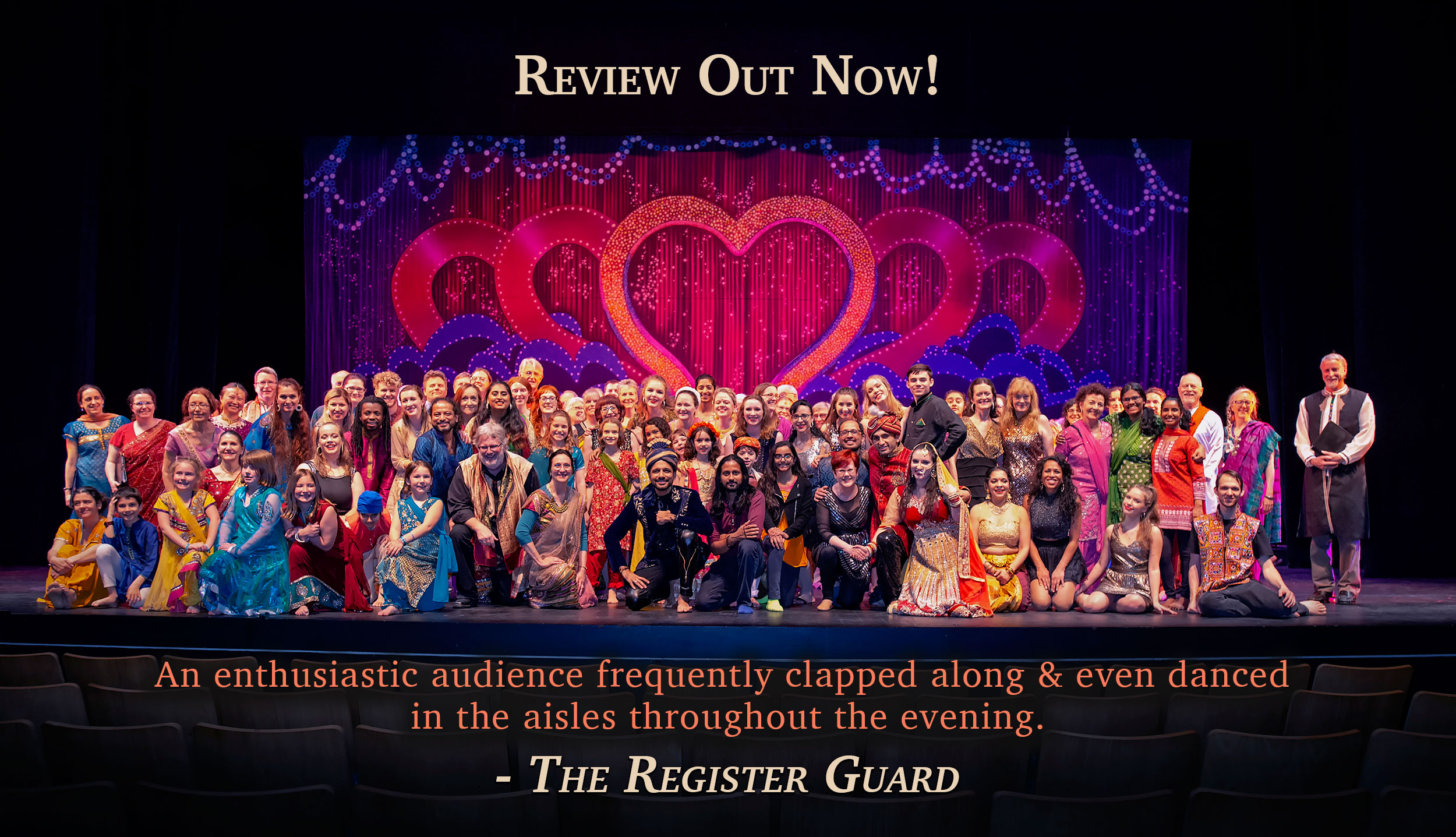
Review: Eugene Concert Choir exposes rich ‘Bollywood’ energy to Eugene audiences
Saturday night, the Eugene Concert Choir joined DJ Prashant Kakad in creating and presenting the new narrative performance “A Bollywood Dream.”
This visual and musical spectacular featured choral performances, Bollywood-inspired dance, and a plot so predictable and absurd that it would fit perfectly in some of the most beloved Hindi films. An enthusiastic audience at the Hult Center frequently participated in clapping along and even dancing in the aisles throughout the evening.
The story took place right here in Eugene, with students and professors at the University of Oregon making up the main characters. There were some confusing aspects to the plot — such as that it was supposedly set in the mid-1990s but featured songs recorded in 2018 and modern remixes of classic Bollywood songs as well as an intriguing mixture of ’90s and contemporary clothing — but nothing too distracting.
The dance, choreographed by Kakad, was very high energy and entertaining, if a bit messy at times. The two leads, Brittany Newton and Suchit Kapur were both enchanting and entrancing. Together, they displayed chemistry and were confident leaders for the rest of their Bollywood Dream Dance Troupe. A highlight of the evening was an exciting presentation of an Indian-inspired remix of Michael Jackson’s “Thriller.” This song featured both familiar aspects of the original Jackson choreography as well as new elements introduced by Kakad.
The Eugene Concert Choir presented two choral arrangements of Indian ragas, Desh and Dwijavanthi, as well as three arrangements of A.R. Rahman songs, “Balleilakka,” “Qawwali,” and the infamous “Jai Ho!” The diction in these performances was a mess and almost all precision was lost in the space and amplification system. Sadly, these choral moments, with the exception of “Jai Ho!,” were some of the low points of the evening, as they did not benefit from the energy inherent in the dance performances that made up the bulk of the show.
The true saving grace of these choral performances was tabla player Ankush Vimawala. Vimawala was poised and graceful, all while delivering incredibly complicated and exact rhythms. His solo at the beginning of the soulful Dwijavanthi raga was absolutely breathtaking and inspired many an “ooh” and “aah” from the audience. Eugene is fortunate to have such a talented master living in the local community.
Another crowd favorite was the amazing assortment of Indian costumes that were worn by the choir and dancers. Conductor Diane Retallack herself sported a dazzling sparkling sari and was only overshadowed by the wedding garment worn by Newton in the final wedding scene.
The performance also showcased some of Eugene’s local Bhangra dance groups, choreographed by Sat Pavan Kaur Khalsa. The three groups were divided by age into a children’s group (called the Monkeys), an adult group and a teenage group. The choreography of each performance was lively and the teenage group was impressive in its precision.
“A Bollywood Dream” might have suffered in some of its execution, but it succeeded in awakening an interest in Indian dance, music and film within the Eugene audience. Hopefully more opportunities to explore this rich culture will become available soon!
Musicologist and soprano Alison Kaufman reviews classical performances for the Register-Guard.
Source: Review: Eugene Concert Choir exposes rich ‘Bollywood’ energy to Eugene audiences
-
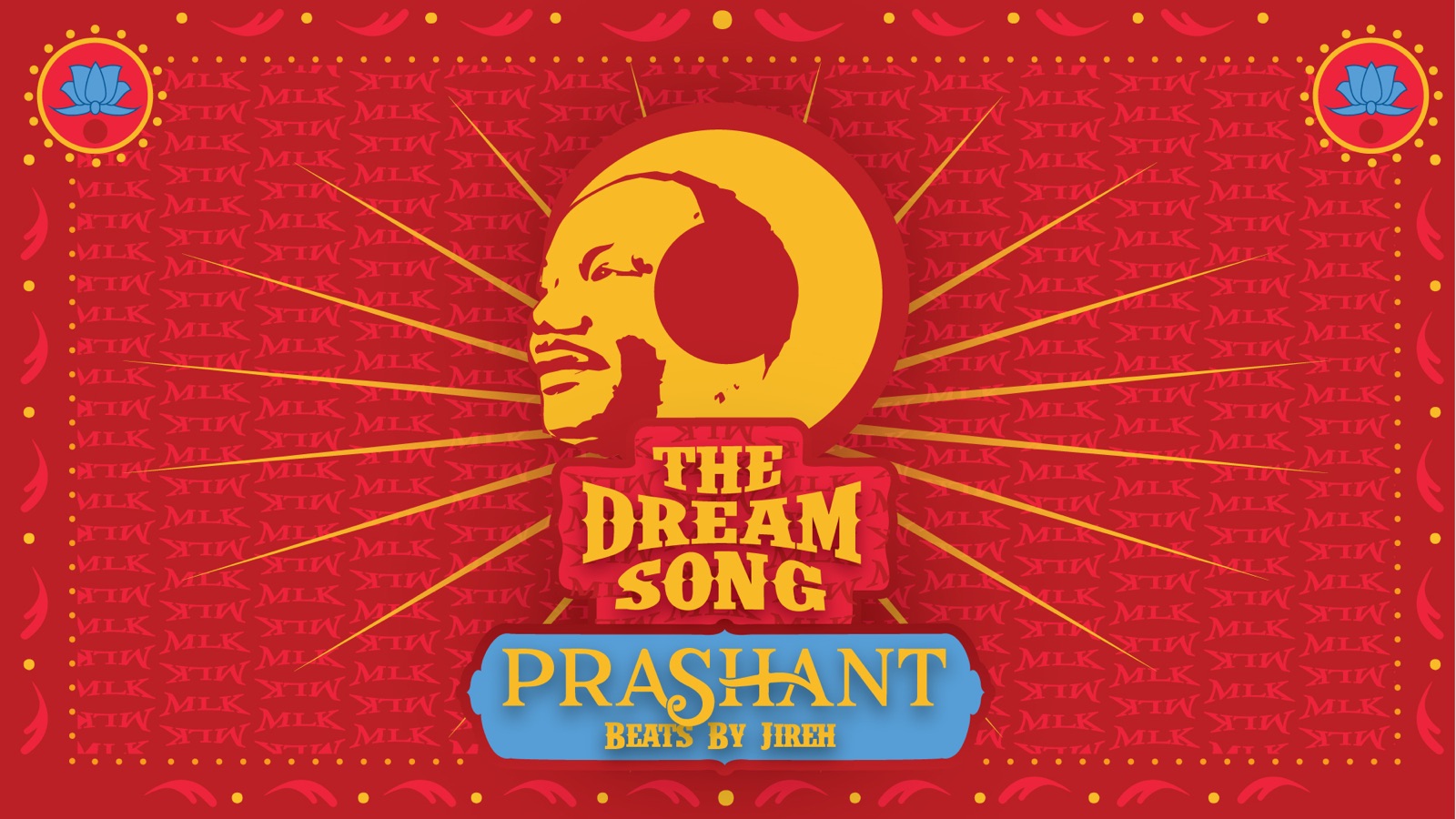
Honoring MLK with The Dream Song
CELEBRATING MLK
Let No Man Pull You Low Enough To Hate Him
– Martin Luther King Jr.
In memory & honor of Martin Luther King Jr., DJ Prashant presents an original progressive house track sampling MLK Jr’s iconic Dream Speech.
VIDEO
• • •
DOWNLOAD MP3
Words from Prashant “This was one of the most difficult track for us. We wanted to do justice by the timeless wisdom in this iconic speech & also compliment it with quality music. If the track resonates with you please do share it with your loved ones. Thank you for your support”.
Follow Artist –
Music: djprashant.bandcamp.com
Subscribe: YouTube.com/dreamprashant
Follow: Instagram.com/dreamprashant
Like: Facebook.com/dreamprashantBeats by Jireh.
LYRICS:
We will be able to speed up that day when all of God’s children, black men and white men, Jews and Gentiles, Protestants and Catholics, will be able to join hands and sing in the words of the old Negro spiritual:
Free at last! Free at last!
Thank God Almighty, we are free at last!
I still have a dream…
Let freedom ring…I still have a dream.
-
How To Create A Masquerade Mask
How To Create A Masquerade Mask
by Angelina Mikhno
Masquerade parties are always a great time to get mysterious. But do you know where all the mystery began? During the 15th century, Venetian Royals dressed in their finest clothing and beautiful masks for extraordinary events such as weddings. Their masks were a way to hide their identity and give them the freedom to voice their opinions without judgement. Today, we see masquerade masks being worn for holidays like Halloween and New Years Eve. Although most of us may not be Royals from Venice, it’s still fun to dress up and add some mystery to parties.
Masquerade masks can easily be found in party stores or on websites like Etsy and Oriental Trading. But why buy a mask when you can personalize and create one under ten minutes!
Let me demonstrate how fun and simple designing your own mask can be…
Materials Used:
- Simple mask – $0.99 at Party City
- Lace fabric – $4.99/yard at Joann Fabrics
- Gold sequins – $4.49 at Joann Fabrics
- Black feathers – $2.49 at Joann Fabrics
- Scissors
- Hot glue gun
Directions:
Approximate time to create one mask: 4 minutes
- Heat up your hot glue gun
- Organize your materials – roughly set up fabrics, sequins, and feathers in the way you’d want them to look on your mask
- Take the lace and place it over your mask. Glue only the edges of the lace to the mask. Don’t use too much of the hot glue
- Once the glue has dried, cut around the mask, getting rid of the unneeded fabric (if you choose to, carefully cut into the two holes where your eyes would be)
- Slowly and carefully place small amounts of the hot glue on the back of your feather(s), then immediately placing onto your mask before the glue dries
- Take three sequins and glue them at the edge of each other creating a triangle shape
- Carefully glue sequins to the end of the feather(s) to hide the stub of your feather(s)
8. Now you’re ready to show off your custom mask!
Get as creative as you can! The materials used in the video above are purely an example, take your own spin on it to make it truly your own. Remember to enjoy yourself and have fun! If you end up with a mask you’d rather not show up in public with, there are always other options for you. Here are a few beautiful masks you can purchase online:
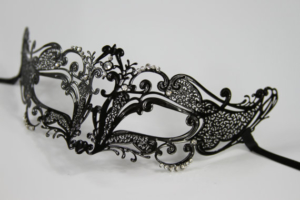
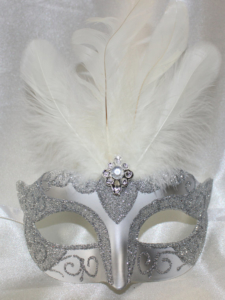
Now that you have a beautiful mask and you’re looking for a masquerade party to show it off at..well, you’re in luck! Bollywood Masquerade is coming to 4 more cities and you are invited!
-San Francisco, December 29th
-Seattle, December 30th
-New Orleans, December 30th
-Portland, December 31st
Check out our Facebook page or website to find out more information about Bollywood Masquerade.
-
Disco Lives On…
With Bollywood Flair
Take the bright colors and extravagant dance numbers of Bollywood, add the funky beats of disco, and what do you get? Bollywood Disco: an elevation of both art forms!
Disco originated in the West, but Bollywood movies created a uniquely Indian form of disco. Bollywood films and disco are both sometimes seen as being overly flashy, yet it is in Bollywood where disco took on more emotional depth.
In the words of our companies founder, a description of Bollywoodwood Disco;
“Disco, Bollywood-style, is typically high-voltage: metallic flares, dazzling over-sized mirror-balls, smoke machines galore and Technicolor flashing dance floors. Let loose those dancing shoes and boogie down to Bollywood’s glittering disco heyday.”– DJ Prashant
Jimmy Aaja
You may have heard the Bollywood disco song “Jimmy Aaja” before. It was featured in Adam Sandler’s 2008 film You Don’t Mess With the Zohan and covered by MIA in 2007.
The original is so enduring perhaps because it identifies itself with the disco genre just to then break the mold. The instrumental opening of the song clearly identifies it as disco through the simple up-beat rhythm and synthetic sound quality, but the lyrics and emotions with which Rita sings them set the song apart.
https://www.youtube.com/watch?v=SjaiKxSQy1w
Far from a simple dance anthem, this song is a heartfelt entreaty to Jimmy. He must overcome his difficulties through disco dancing.
Iconic Figures in Bollywood Disco
Bappi Lahiri was the musician responsible for Disco Dancer‘s soundtrack. His work is also included on ten of the twelve best Bollywood Disco soundtracks curated by DJ Brother Cleve. Other greats of the era include Usha Uthup, Mithun, RD Burman, Biddu, and Nazia Hassan. Biddu had previously been a successful disco pioneer in the Western world. He and Nazia Hassan are credited with bringing disco to South Asia.
More recently the 2012 Bollywood movie Student of the Year brought back the quintessential Bollywood disco song Disco Deewane:
Below you can see Nazia Hassan’s original Disco Deewane, which was one of the first ever Bollywood disco songs.
You Can Disco Too!
If “Disco Deewane” and “Jimmy Aaja” make you want to get your funk on, I have good news for you. You won’t need a time machine to rock the Bollywood Disco because we’re bringing the party to you!
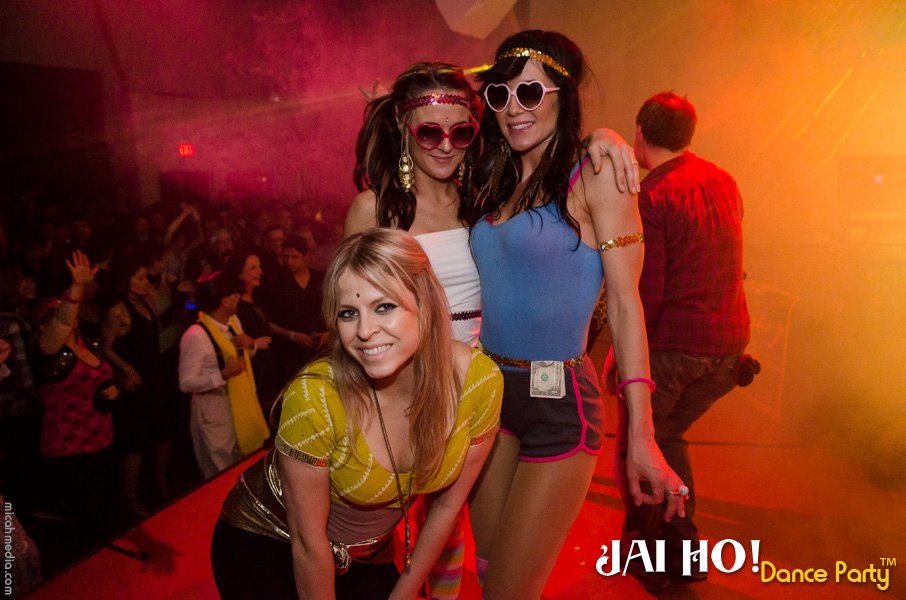
Jai Ho! Dance party has brought an annual dose of Bollywood disco to Portland and Seattle for five years now. This year the party comes to San Francisco as well. There will be a Costume Contest to determine the Disco King & Disco Queen at each event. So don your sequins, bell bottoms and disco finest for an unforgettable night under the disco ball!
Schedule:
- Friday June 15 Bollywood Disco in Los Angeles
- Saturday June 16 Bollywood Disco in San Diego
- Friday June 22 Bollywood Disco in Portland
Follow our Jai Ho! Dance Party Page on FB: https://www.facebook.com/jaihodanceparty/
Don’t forget to come dressed to groove!
Exclusive to Portland Party:
An encore performance of Prashant’s choreography to the song Jimmy Aaja by Jai Ho! Dance Troupe.
Blog Post Written by Contributing Writer Grace Kirk
-
The Appeal of Bollywood in the Pacific Northwest
§
The Appeal of Bollywood in the Pacific Northwest
By Tess Hansen
University of Washington
March 11, 2016
Abstract
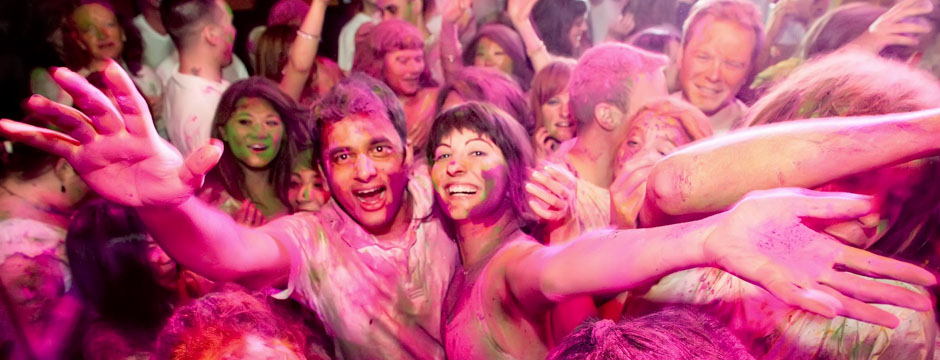
The purpose of my research is to shed light on the growing popularity of Bollywood in Washington and Oregon states. My research draws on phone, e-mail, and in person interviews with collegiate level Bollywood dancers and a Bollywood DJ/teacher. In addition to this material, I participated in a Bollywood practicum and viewed two University of Washington Kahaani team practices. Through my research, I come to the conclusion that Bollywood serves multiple purposes to people across ethnographic lines. First, Bollywood appeals to Washington and Oregonian residents for the same reason it is so popular in India. The singing, the dancing, the colors, and the costumes display a relentless joie de vivre. Through this display of exuberance, Bollywood becomes a source of escapism. Bollywood offers participants a creative outlet to “escape” the hectic bustle of their daily lives. In addition, Bollywood connects Indian Americans with their roots by exemplifying an Indian way of life. One participant indicated that Bollywood helped him overcome negative body issues. Finally, participation in Bollywood creates a community where people of shared ethnic heritage and shared creative interests, can meet and perform together.
Introduction
Bollywood, the highly popular Hindi film industry originating in Mumbai, India, produces approximately one thousand to fifteen hundred films a year, nearly twice the amount produced in Hollywood. In recent decades, the prolific popularity of Bollywood has expanded beyond India’s borders into many other areas, including the northwestern regions of the United
States. Census data indicates that both in the United States as a whole, and in Washington State,
Asian Indian immigration has increased faster than any other Asian demographic.[1] In Bellevue, a technological center of Washington State, the Asian population has increased by 28 percent from 2000 to 2010. About 40% of Bellevue’s population consists of a minority group, with the Asian
Indian group increasing the fastest since 1990.[2]
In turn, the sharing of Indian traditions like Bollywood has grown dramatically. This is demonstrated by the growing interest of Washington and Oregon residents to take up Bollywood dance lessons or become involved in Bollywood dance clubs. Bollywood dancing is recognizable for its upbeat rhythms, energetic sequences, and fusion of different dance styles. According to Prashant Kakad, a Portland based DJ, singer, dancer and Bollywood teacher, Bollywood “is a really amorphous dance…. there is not one particular thing that you can call Bollywood. It can look like hip hop, Latin dance, it can look like [traditional Indian dances] Bharatanatyam and Kathak.”[3]
Practitioners of Bollywood dance come from all walks of life. Many of the participants are of Indian descent, who self-identify as either Indians or Indian Americans. Some participants identify as Caucasians or African Americans. Men and women, from young adults to sexagenarians participate in Bollywood classes. Through my research, I argue that this surge in popularity can be attributed to three factors of Bollywood: the exaggerated and joyful elements of the song and dance, the ability to escape through a creative outlet, and the creation of community whose members may share ethnic roots or creative impulses.
The Exuberance of Bollywood
For this research project, my main source of Bollywood expertise was Prashant Kakad.
Born in India, he has always been immersed in Bollywood song and dance. In fact, he tells the story of watching forty to fifty Hindi films by the time he was six months old. He later moved to the United States to attend Cornell University. There he found the Indian Student Association and became involved in Bollywood in the United States. At parties, women would ask Prashant to teach them and their kids how to dance. He soon began to teach more and more people and this naturally led to his career as a Bollywood teacher.
During Prashant’s TED talk, he offers some insights into why Bollywood is so popular around the globe. He explains that Bollywood is visually appealing. The films use vibrant colors in the costumes and sets. Production teams spend excessively on item numbers, the fantasy song and dance scene which is usually untethered to the plot of the film. The costumes, lighting, and sets are extremely elaborate and there are usually many extras who add to the flashiness of the dance scene. When I attended the University of Washington Kahaani, the university’s Bollywood dance team, I noticed immediately the vibrancy of the costumes. Each costume was ornate and decorated with shimmering gold or silver needlework. The female dancers paired orange and pink crop tops with sheer, black bottoms. Beneath this layer, they wore an elaborate gold crop top emblazoned with gold jewels. The men wore silver vests and a pair of billowing white pants.
These item numbers are extremely important to the success of a Bollywood film. The music is often released prior to the film’s release and how well a song is received generally demonstrates how well the film will do at the box office. The music and dance also add to the accessibility of Bollywood because viewers can use the film’s music and create original choreography or re-work the moves they saw on screen. For Vivia, a member of the University of Washington Kahaani team, the accessibility of Bollywood song and dance allows her to create her own original choreography. She uses these popular Hindi movie songs, as well as pop songs by Beyoncé and Justin Bieber and creates her own material.[4]
Bollywood also ebbs and flows with the current trends. Bollywood is a fusion dance and draws on classical Indian dance forms, like Bharatanatyam and Kathak. However throughout the decades, Bollywood has evolved to mold to popular culture. In the 1980’s, Bollywood began to incorporate disco moves. In the late 1990’s and early 2000’s, with the establishment of MTV, hip hop styles were added.[5] To Sahana, a UW Kahaani member, Bollywood “helps” keep her up to date “with pop culture, you know all the songs and fashion.”[6] In addition, Bollywood films often use “Hinglish” to attract both English speaking and Hindi speaking audiences.[7] For example, the item number song “Sheila Ki Jawani” combines English and Hindi in the lyrics: “My name is
Sheila, Sheila ki Jawani – I’m too sexy for you – Main tere haath na aani [I won’t fall into your hands].” With a fusion of languages and movement qualities, Bollywood appeals to the masses.
Escaping the Stresses of Student and Working Life
A by-product of the larger-than-life characteristics of Bollywood is that the films and dances become a medium by which people can express themselves and escape their own lives for a moment. For many of the UW Kahaani team members I interviewed, they participated in
Bollywood because it is “a way to express joy.”[8] During one of their practice sessions, the
Kahaani team was rehearsing their ten-minute story telling piece. The story revolved around a con man finding love. A male-female duet played the leads, while the rest of the ensemble danced behind. The women danced seductively, initiating movements from their hips and whipping their hair over their shoulders, to portray the love interests. The men embodied the con artists, who circled the women with deep lunges. Gender roles are clearly delineated in the choreography. While some may criticize the ways in which gender is so deliberately assigned, the Kahaani members did not voice any negative opinions about acting in these stereotypical gender roles.
The majority of Kahaani members interviewed also explained that participation in
Bollywood helped relieve some of the stress of college life. To Alexandra, Sahana and Anisha, all members of UW Kahaani, the dynamic exercise and community building helps create an open atmosphere where they can relax from stresses of daily life, although they note that competing can become an additional form of stress. For Sahana, participation “is a nice break to hang out.”[9]
Likewise, Prashant, who is in his early thirties, believes that participating in Bollywood offers respite for those with busy work schedules. “Many people tend to get busy with life,” in their “thirties and forties and fifties”[10] both in India and the United States, and participation in
Bollywood dance allows practitioners to relax and let loose.
Bollywood is also accessible to all through the movie platform, which does not discriminate based on class or status. Bollywood films tell stories that transcend socioeconomic barriers and religious differences. The dance scenes celebrate life, love, and happiness. With the larger-than-life elements of Bollywood dance and film, Prashant believes that audiences “vicariously live through” the “relatable characters.”[11] Furthermore, the appeal to pathos is exemplified through the quintessential Bollywood happy ending. Vivia explained that “98%” of
Bollywood films tell a love story and “99%” end with a happy ending.[12] By and large, many movie goers in India and around the world who look to Bollywood for a source of escape from their daily lives and who live vicariously through the characters’ experiences, desire and expect a happy Bollywood ending.
My research into Bollywood as a method of escapism led me to an unexpected finding.
Although this point of view was only mentioned by one interviewee, I think it is worth mentioning. Prashant shared with my through our phone interview that participation in
Bollywood dance helped him lose excess weight. He continues to struggle with negative body image issues. However, Bollywood helps him cope and respect his body through a unique method of escapism:
TH: Has participation in Bollywood helped you resolve these negative body image issues?
PK: Yeah. In fact I was just teaching at a yoga festival on Saturday and I told a student that there was one particular move that involved appreciating your own body… I am able to appreciate my body for what it is, how it is, and fully celebrate and invite people to do that. But I still do struggle with these image issues… It’s almost like I can make believe or make become someone who is not affected by these things. You know? And so in that way… I sincerely believe that even now it’s helping me cope with some of those things. [13]
With the greater accessibility of Bollywood, many practitioners worry that the dance form is becoming “kitsch.”[14] When someone who is not particularly knowledgeable about Bollywood dance views the colors and specific gender roles, they may be tempted to believe that these characteristics describe India. They may believe that Bollywood is representative of an “exotic” or “timeless” India. The more experienced Bollywood dancers I interviewed expressed that Bollywood is not entirely representative of India but it does offer vestiges into their cultures and traditions. Especially, with the addition of modern hip hop styles, Bollywood has veered from its traditional roots. The Kahaani team embraces these new styles while maintaining traditional Indian styles in their choreography. I will describe the ways in which Bollywood ties Prashant and the Kahaani members to India and to a community in the next section.
Creating a Community
The University of Washington Kahaani Team’s promotional video on YouTube highlights different elements Bollywood offers to its members: passion, energy, community, travel, and family.[15] When I interviewed members of UW Kahaani and watched practice, I found that community and family were vital to its success. The team collaborated openly as they created formations and step sequences. Each of the Indian American Kahaani interviewees expressed that being a part of the collegiate team also meant being part of a community of ethnic commonalities where, Anisha points out, “[we] discuss Bollywood movies and songs. I had nobody to do that with [prior to joining the team].”[16] For Sahana, being a part of the team means that “it helps relate with culture,” the pop culture, the newest dance moves and songs.[17]
Similarly, Prashant asserts that the practice of Bollywood dance connects him with his ethnic heritage. He believes that many people across the world who are of Indian heritage become “disconnected” with traditions and festivals, like Diwali, the festival of lights. “Through my work now, I absolutely get to cherish and enjoy these memories and festivals. And I think an even bigger joy is I get to produce them, I get to share them with people and also enjoy them myself.”[18] Bollywood seems to have nostalgic underpinnings.
The UW Kahaani Team is composed of 13 Indian American women, 3 Indian American men, and two Caucasian women. While the Indian-Americans expressed a connection with their ethnic backgrounds and connection with India despite geographical distance, one Caucasian interviewee believed that participation in Bollywood fostered an appreciation and respect for
Indian cultures and traditions. Alexandra became interested in Indian culture through the
International High School in Kirkland, WA and joined UW Kahaani as a way to further her study. She believes that the Kahaani team feels like family because each member has a vested interest in sharing Indian culture to Pacific Northwest, and even United States, audiences. The team has competed across the country and even performed a flash mob, where they shared the joy of Bollywood to the public. For Alexandra, participation also means that she has the opportunity to learn about Indian holidays, like Holi, a springtime festival of colors.[19]
Bollywood films and dances also seem to foster religious and ethnic diversity. Bollywood actors are religiously diverse. Shah Rukh Khan, the highest grossing and arguably the most popular Hindi film star considers himself a Muslim.[20] Nagma, a Muslim-born Hindi film actress, converted to Christianity.[21] In Portland, Prashant’s students come from varied ethnic backgrounds. “I have maybe 20% Indians and 80% people from all over the world that live in the US, like Americans, some of them are Latinos, some of them are Romanian, Middle Eastern, and a lot of Americans [Caucasians].”[22] Prashant has purposefully chosen to cater to this non-Indian crowd by hosting his classes on the side of Portland where not many Indians reside. He attempts to encourage multiculturalism and understanding through these classes.
Indeed, during the Bollywood practicum when I was first introduced to DJ Prashant, I could clearly see why one, regardless of ethnic identity, age or gender, would be drawn to the sights and sounds of Bollywood. DJ Prashant encouraged us with unabashed energy, calling out the “disco” step or the hip-hop “sprinkler” move. The class followed in unison, each of us completely enthralled in catching the next step and staying in time with the party-inducing beats of “Jai ho.” Each of us was exhausted, but we persisted with a relentless, contagious energy. We were captivated by the pure joy of the movement. Sometimes, I would get off the beat or forget the sequence of steps. But it didn’t matter. If all else failed, DJ Prashant would remind us “Indian head shake, big smile, can’t lose!”
Works Cited
Joseph, Anthony. “Popular South Indian actress Nagma embraces Christianity; wants to spread
Gospel.” Accessed March 2, 2016. http://www.christiantoday.co.in/article/popular.
south.indian.actress.nagma.embraces.christianity.wants.to.spread.gospel/2692.htm.
Shresthova, Sangita. “More Indian than India? Bollywood Dance in Los
Angeles.” Is It All About Hips?: Around the World with Bollywood Dance. New Delhi:
Sage, 2011.
Springer, Richard. “Census: Asian-Indian Population Explodes Across U.S.” New American
Media. Accessed February 29, 2016. http://newamericamedia.org/2011/05/census-
asian-indian-population-explodes-across-us.php.
Tedx Talks. “TEDxConcordiaUPortland – Prashant Kakad – ‘Bollywood-The Timing is Right’.”
YouTube Video, 25:54. Posted June 18, 2011.
“The Religion and Political Views of Shah Rukh Khan.” The Hollowverse. Accessed March 2,
- http://hollowverse.com/shahrukh-khan/.
Tong, Collin. “Census Shows Bellevue’s Growing Asian, Minority Population.” Crosscut.
Accessed February 29, 2016.http://crosscut.com/2011/04/ census-shows-bellevues-growing-asian-minority-popu/.
UW Kahaani. “Kahaani 2015-2016 Promo.” YouTube video, 0:25. Posted September 23, 2015.
“What is Bollywood?” Rhythm India. Accessed March 2, 2016. http://www.rhythm-india.com/
bollywood-dance.html.
[1] Richard Springer, “Census: Asian-Indian Population Explodes across U.S,” New American Media, accessed February 29, 2016, http://newamericamedia.org/2011/05/census- asian-indian-population- explodes-across-us.php.
[2] Collin Tong, “Census Shows Bellevue’s Growing Asian, Minority Population,” Crosscut, accessed February 19, 2016, http://crosscut.com/2011/04/census-shows-bellevues-growing-asian -minority-popu/.
[3] Prashant Kakad, interview with author, February 29, 2016.
[4] Vivia, interview with author, January 21, 2016.
[5] “What is Bollywood?” Rhythm India, accessed March 2, 2016, http://www.rhythm-india.com/ bollywood-dance.html.
[6] Sahana, interview with author, March 4, 2016.
[7] Tedx Talks, “TEDxConcordiaUPortland – Prashant Kakad – ‘Bollywood-The Timing is Right’,” YouTube Video, 25:54, posted June 18, 2011, https://www.youtube.com/watch?v= TZQcjE2t-pM.
[8] Tasha, interview with author, January 21, 2016.
[9] Sahana, interview with author, March 4, 2016.
[10] Prashant, interview with author, February 29, 2016.
[11] Prashant, interview with author, February 29, 2016.
[12] Vivia, interview with author, January 21, 2016.
[13] Prashant Kakad, interview with author, February 29, 2016.
[14] Sangita Shresthova. “More Indian than India? Bollywood Dance in Los Angeles.” Is It All About Hips?: Around the World with Bollywood Dance. New Delhi: Sage, 2011, 134.
[15] UW Kahaani, “Kahaani 2015-2016 Promo.” YouTube video, 0:25, posted September 23, 2015,
[16] Anisha, interview with author, March 4, 2016.
[17] Sahana, interview with author, March 4, 2016.
[18] Prashant, interview with author, February 29, 2016.
[19] Alexandra, interview with author, March 4, 2016.
[20] “The Religion and Political Views of Shah Rukh Khan,” The Hollowverse, accessed March 2, 2016, http://hollowverse.com/shahrukh-khan/.
[21] Anthony Joseph, “Popular South Indian actress Nagma embraces Christianity; wants to spread gospel,” accessed March 2, 2016, http://www.christiantoday.co.in/article/popular. south.indian.actress.nagma.embraces.christianity.wants.to.spread.gospel/2692.htm.
[22] Prashant, interview with author, February 29, 2016.
-
So You Think You Can Dress Bollywood
Bollywood Costume Contest!
Saturday Feb 20, Jai Ho! 6 Years Anniversary in Portland
I invite you to dress Bollywood style to celebrate 6 years of non-stop dancing up a storm at Jai Ho! dance party. This magical night will feature Violinder (SF), Justina (LED Hula), FREE Chai, Dirty Chai (drink specials), Chaat-N-Roll (snacks for sale), Henna (by donation), dance lesson, performances by Jai Ho! dance troupe & of course party all night with yours truly. Rio Rios will be capturing the night.
So You Think You Can Dress Bollywood:
To make the night extra spicy, we will be hosting a Bollywood Costume Contest & giveaway two prizes for the Bollywood Raja (King) & the Bollywood Raani (Queen).
- $50 Gift Certificate to delicious food at Desi PDX food cart
- $50 Gift Bag with assorted designer wear by Amrapali Boutique
What Next?
Take an impromptu trip to Hillsboro & choose an outfit for yourself in person at Amrapali Boutique. Make sure to avail of their 40-50% off annual sale.
Want to plan ahead? Visit Indian Marketplace & Ethnic Chic San Diego to order your next Indian outfit online. Don’t worry, we will give you plenty of opportunities to dress up & party!
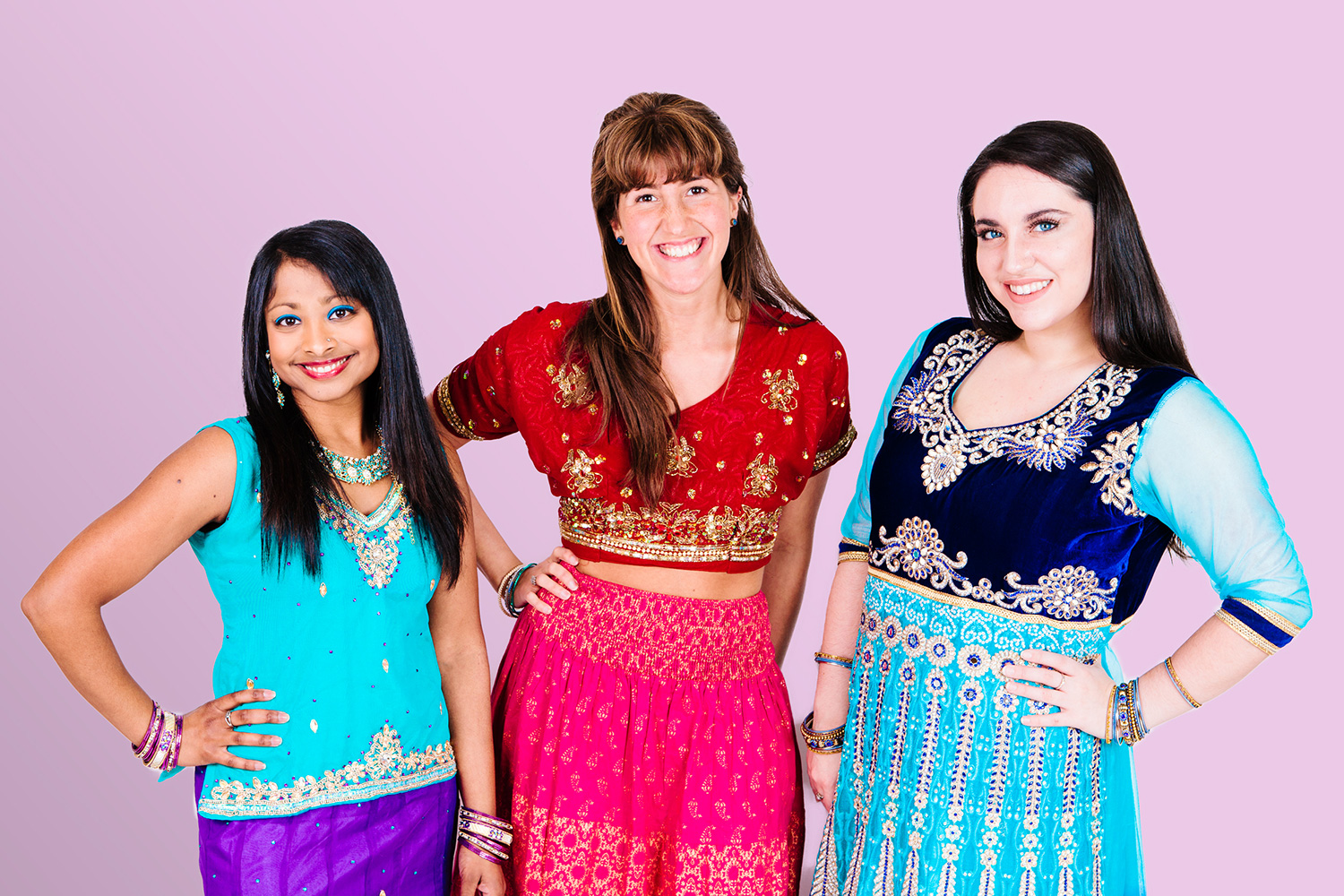
Whatever you do, don’t let your creativity be limited by the images you see below. These are just to get you started on the journey to discover your inner Bollywood Raani (Queen) or Raja (King). Off you go.
So what exactly does it mean to “Dress Bollywood”?
Is it a costume one can buy at a generic online store?
Or perhaps a screenshot from the latest Coldplay video?

There is more to it than meets the eye
Some samples of what’s possible.
-
The Smallest Coffins Are The Heaviest
The Smallest Coffins Are The Heaviest
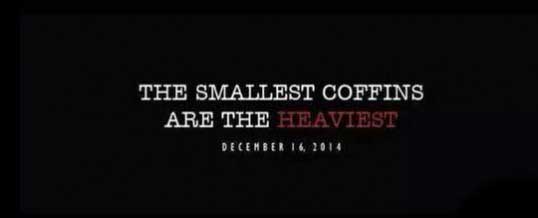
These 6 words sum up the burden of grief inflicted by the terrorist attacks of the highest cowardice in Peshawar, Pakistan. A massacre targeting a school resulting in untimely death of 141 lives, 132 of them children.
In the past, tragic news like this one caused me to question my faith & question why the world was the way it was? What followed was confusion, hopelessness, anger & hatred right behind it.
I was by myself at a local cafe waiting for breakfast today when this news popped up. As I clicked on the BBC news article & waited for it to load, I noticed my breathing getting heavy. Tears followed while I was browsing through it, I could not muster up the strength to read the article in detail. I turned my phone away & tried to collect myself… I had to excuse myself to the restroom. As soon as I had the privacy of being in a small room by myself I let myself be taken over by the profound sadness & cried my eyes out. More accurately this profound sadness overpowered me & as a result I wailed uncontrollably. It was at least 30 minutes before my breathing normalized.
As I gained some sense of control over my senses, I reached out to friends who responded almost instantaneously. These friends varied in their age, culture & nationality but were united by this profound sense of grief that felt too.
It was not about questioning “God” or another Higher Power today, it was just a spontaneous unabashed connection with the suffering of my fellow human beings. Thousands of miles away from me, conflicted over a political dispute for decades, my neighbors, my brothers & sisters who were suffering the worst pain there possibly is.
All through the day, my response was to send silent prayers. For those who have passed on; a safe journey, eternal peace & love. For families & friends directly affected that they find the strength & hope they need. For Pakistan & all the nations of the world including America where a different kind of mindless killing is causing so much suffering. It did not matter as to who I was praying to & if my prayers will be answered. It was simply the best I could do.
This evening, I heard a tune calling to me in my heart, I had spent my teen years listening to it on repeat. It is the title song of the album Gurus of Peace, a collaboration between of two legends, music composer A. R. Rahman of India & singer late Ustad Nusrat Fateh Ali Khan of Pakistan.
As I heard this song again after years a certain section of the lyrics caught my attention.
Here it is in Hindi/Urdu & translated in English:
Duniya mein kahin bhi, dard se koi bhi…
Duniya mein kahin bhi, dard se koi bhianywhere in the world, when anyone in this world
Tadpe toh humko yahaan pe
suffers in pain, then we too
[gap size=”7px”]
Ehsaas uske zakhmon ka ho ke
feel the pain of his wounds and
Apnaa bhi dil bhar bhar aaye roye aankhein
our own heart also becomes heavy and our eyes weep.
You can read the full translation here.
I am not sure what helped me make that transition from anger & hatred to a deeper sense of connection with the pain, perhaps it was the two 10 day silent meditation courses (Vipassana) I had the great fortune of attending this year or the amazing community that surrounds me… What I do know is that having friends I can reach out to for sharing emotionally challenging situations helped. And with every little step I took of being vulnerable about what’s really going on for me, the other person also opened up & shared with me how they really felt.
This is my first ever blog post, another small step into vulnerability.
I leave you with the video of the song itself (it has english translation subtitles) and with a prayer… Let there be peace within us all. Let there be peace between neighbors of various cultures, castes & skin colors. Let there be peace & harmony between all the nations of the world.
May we all be happy.
– Prashant


